Monday to Friday – 5pm to 8pm | Saturday – 10am to 1pm | Sunday – Closed
A-289, Sector-43, Noida | +91 98106 40531

Dr Puja Jain Dewan
sr gynecologist | obstetrician | Laparoscopic Gyne Surgeon
MBBS | MD | DGO | FMAS | FICOG
How to Maintain Your Health After Menopause
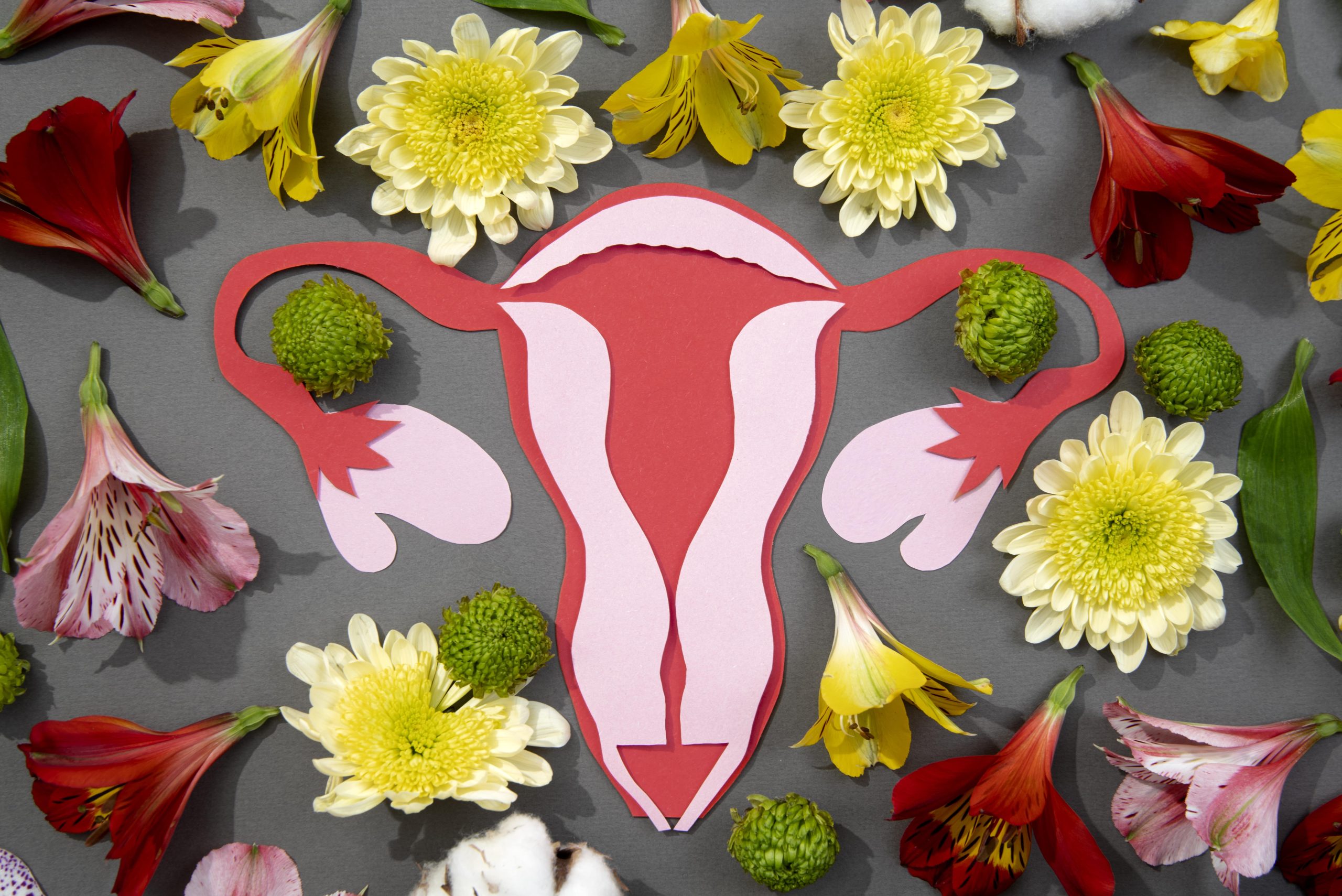
Menopause is a natural phase in every woman’s life, typically occurring between the ages of 45 and 55. It marks the end of menstrual cycles and brings about various changes in the body due to reduced hormone levels, particularly estrogen. While menopause is a normal part of aging, it’s essential to focus on maintaining good health during this phase to prevent long-term complications.
Here’s a simple guide tailored for Indian women to help you stay healthy and active after menopause.
Common Health Concerns After Menopause
Before diving into the tips, it’s important to understand the potential health challenges women may face after menopause:
- Bone Health Issues (Osteoporosis): Reduced estrogen can lead to weaker bones, increasing the risk of fractures.
- Heart Health Problems: Hormonal changes can lead to higher cholesterol levels and increased heart disease risk.
- Weight Gain: A slower metabolism often leads to weight gain, especially around the abdomen.
- Mood Swings and Mental Health: Hormonal changes can contribute to mood swings, anxiety, or even depression.
- Urinary and Vaginal Issues: Thinning tissues can lead to urinary incontinence or vaginal dryness.
Tips to Maintain Your Health After Menopause
1. Prioritize Bone Health
Bone health becomes critical after menopause due to the loss of bone density.
- Increase Calcium Intake: Consume calcium-rich foods like milk, curd, paneer, almonds, ragi, and green leafy vegetables.
- Add Vitamin D: Ensure you get adequate sunlight exposure or take vitamin D supplements if needed.
- Exercise Regularly: Weight-bearing exercises like walking, jogging, or yoga help strengthen bones.
2. Protect Your Heart
Cardiovascular health should be a top priority post-menopause.
- Follow a Heart-Healthy Diet:
- Include whole grains, fruits, vegetables, and heart-healthy fats like those in fish, nuts, and seeds.
- Limit salt, sugar, and saturated fats, as they can contribute to high blood pressure and cholesterol.
- Stay Active: Aim for at least 30 minutes of moderate exercise daily, such as brisk walking or swimming.
- Manage Stress: Practice relaxation techniques like meditation or pranayama to reduce stress.
3. Maintain a Healthy Weight
Weight gain can increase the risk of diabetes and heart disease.
- Mindful Eating: Avoid overeating and focus on portion control.
- Healthy Snacks: Replace fried snacks with healthier options like fruits, roasted chana, or makhana.
- Stay Hydrated: Drink plenty of water and limit sugary drinks.
4. Strengthen Mental Health
Hormonal changes and lifestyle adjustments can affect emotional well-being.
- Stay Socially Active: Spend time with friends and family to avoid feelings of isolation.
- Learn New Skills: Hobbies like gardening, reading, or cooking can keep your mind engaged.
- Seek Help: If you feel overwhelmed, don’t hesitate to consult a mental health professional.
5. Care for Your Skin and Hair
Post-menopausal women often notice changes in their skin and hair.
- Hydrate Your Skin: Use moisturizers and sunscreen to prevent dryness and protect against sun damage.
- Balanced Diet: Omega-3 fatty acids in flaxseeds, walnuts, and fish promote healthy skin and hair.
- Gentle Products: Switch to mild shampoos and natural oils like coconut or almond oil for hair care.
6. Address Urinary and Vaginal Changes
Reduced estrogen can lead to issues like vaginal dryness or urinary infections.
- Stay Hydrated: Drink plenty of water to maintain urinary tract health.
- Consult Your Doctor: For vaginal dryness, your gynecologist may recommend lubricants or estrogen creams.
- Kegel Exercises: Strengthen pelvic floor muscles to reduce urinary incontinence.
7. Regular Health Check-ups
Monitoring your health regularly can prevent complications.
- Bone Density Test: Helps detect osteoporosis early.
- Blood Pressure and Cholesterol Checks: Regular monitoring helps keep heart health in check.
- Cancer Screenings: Pap smears and mammograms are essential for early detection of cervical and breast cancer.
8. Embrace a Positive Mindset
Menopause is a new beginning, not an end.
- Focus on Wellness: Shift your focus to leading a balanced, healthy lifestyle.
- Celebrate the Freedom: Post-menopause often means freedom from periods and related discomfort, which can be a relief.
Indian Foods to Include Post-Menopause
A diet rooted in traditional Indian foods can provide immense benefits:
- Calcium-Rich Foods: Ragi, sesame seeds (til), and leafy greens like spinach.
- Antioxidants: Fruits like guava, amla, and pomegranate.
- Protein: Lentils, pulses, and paneer.
- Healthy Fats: Ghee in moderation and nuts like almonds and walnuts.
When to See a Doctor?
You should consult Dr. Puja Dewan or your gynecologist if you experience:
- Severe mood swings or depression.
- Unusual bleeding or spotting after menopause.
- Persistent pain or discomfort in the pelvic region.
- Difficulty in managing symptoms like hot flashes or night sweats.
Final Thoughts
Post-menopause is an opportunity to focus on yourself and embrace a healthier lifestyle. By making small yet consistent changes to your diet, exercise routine, and overall habits, you can stay healthy and active in this new phase of life.
Dr. Puja Dewan and her team are here to provide expert guidance and support, ensuring your transition through menopause is smooth and stress-free.
Disclaimer: This blog is for general awareness. Always consult your gynecologist for personalized advice.

Important Links
Pregnancy Care
Gynecology Treatments
laproscopic surgeries
Dewan's Ortho Gyne Clinic
Made with ♥ by Grey Matter Ink