Monday to Friday – 5pm to 8pm | Saturday – 10am to 1pm | Sunday – Closed
A-289, Sector-43, Noida | +91 98106 40531

Dr Puja Jain Dewan
sr gynecologist | obstetrician | Laparoscopic Gyne Surgeon
MBBS | MD | DGO | FMAS | FICOG
Lifestyle Changes That Can Help You Manage PCOD
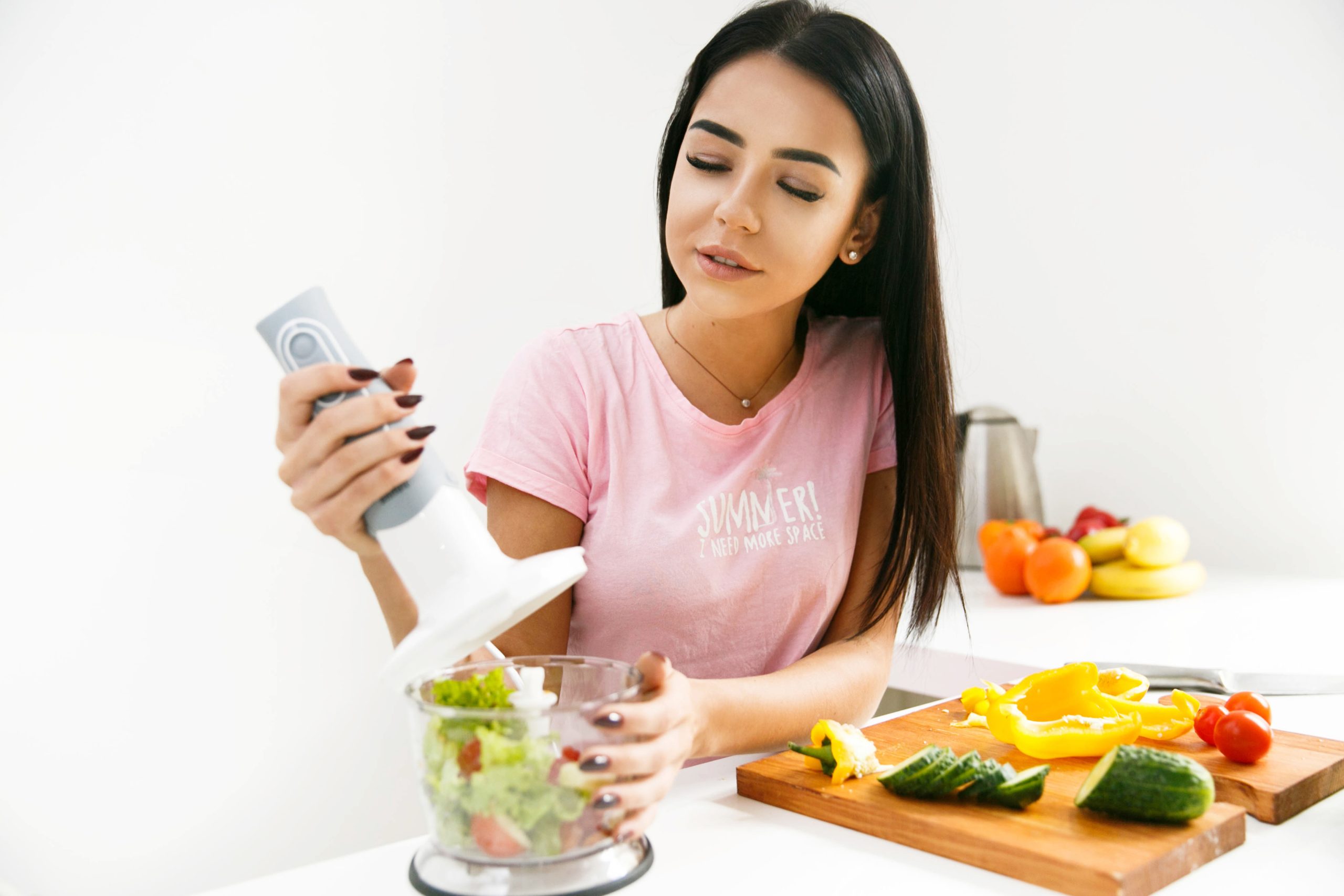
Polycystic Ovarian Disease (PCOD) is a common hormonal disorder affecting many women, particularly during their reproductive years. In India, lifestyle factors such as a sedentary routine, unhealthy eating habits, and stress often contribute to worsening PCOD symptoms. While medical treatments can help, making positive lifestyle changes is one of the most effective ways to manage PCOD in the long term.
In this blog, we’ll explore simple, practical lifestyle changes that can help women with PCOD regain control over their health.
What Is PCOD?
PCOD occurs when the ovaries produce an excess amount of androgens (male hormones), leading to irregular periods, weight gain, acne, and multiple small cysts on the ovaries. Women with PCOD often experience:
- Irregular or absent menstrual cycles.
- Excess hair growth on the face or body (hirsutism).
- Difficulty in losing weight.
- Acne and oily skin.
- Difficulty conceiving.
Managing PCOD is essential not only to control symptoms but also to reduce the risk of long-term complications such as diabetes, heart disease, and infertility.
Lifestyle Changes to Manage PCOD
1. Maintain a Healthy Diet
Your diet plays a critical role in managing PCOD. Focus on nutrient-rich foods that stabilize hormones, regulate insulin levels, and promote overall health.
Include More Whole Foods:
- Opt for whole grains like oats, brown rice, and quinoa.
- Add fresh fruits (like guava and apples) and vegetables (like spinach and broccoli) to your meals.
Control Sugar Intake:
- Avoid sugary snacks, desserts, and aerated drinks as they spike insulin levels, worsening PCOD symptoms.
- Replace sugar with natural sweeteners like jaggery or honey in moderation.
Healthy Fats are Key:
- Include sources of healthy fats like nuts, seeds (flaxseeds, sunflower seeds), and fatty fish (salmon or mackerel).
- Use olive oil or mustard oil for cooking.
Limit Processed Foods:
- Cut down on junk foods like chips, instant noodles, and packaged snacks.
Stay Hydrated:
- Drink plenty of water to help with digestion and metabolism.
2. Regular Exercise
Physical activity is crucial for managing PCOD. It helps in maintaining a healthy weight, improving insulin sensitivity, and reducing stress.
- Cardio Workouts: Activities like walking, jogging, cycling, or swimming can help burn calories and improve heart health.
- Strength Training: Lifting weights or resistance exercises can help build muscle and improve metabolism.
- Yoga:
- Yoga is particularly beneficial for women with PCOD. Asanas like Surya Namaskar, Bhujangasana, and Dhanurasana improve hormonal balance.
- Pranayama (breathing exercises) helps reduce stress levels.
Aim for at least 30 minutes of exercise 4-5 times a week for noticeable results.
3. Manage Stress
Stress is a significant factor in PCOD as it disrupts hormonal balance and worsens symptoms.
- Meditation: Spend 10-15 minutes daily meditating to calm your mind.
- Take Breaks: Avoid overworking and make time for hobbies and relaxation.
- Adequate Sleep: Ensure 7-8 hours of quality sleep every night to regulate hormones.
- Limit Screen Time: Reduce time spent on phones and laptops, especially before bedtime, to improve sleep quality.
4. Weight Management
Maintaining a healthy weight is critical in PCOD management. Even a 5-10% reduction in weight can improve symptoms significantly.
- Monitor Your Calorie Intake: Eat smaller, balanced meals throughout the day instead of large portions.
- Set Realistic Goals: Aim for gradual weight loss with sustainable habits rather than quick fixes.
5. Track Your Menstrual Cycle
Keeping track of your periods can help you identify irregularities and discuss them with your doctor. There are various period-tracking apps available that make this easy.
6. Avoid Smoking and Alcohol
- Smoking increases androgen levels, worsening PCOD symptoms.
- Alcohol consumption can affect liver function and lead to hormone imbalances. Limiting or avoiding both can help manage PCOD more effectively.
7. Seek Medical Guidance When Needed
While lifestyle changes are crucial, they may not replace medical treatment. Consult your gynecologist if you experience:
- Persistent irregular periods.
- Severe acne or hair loss.
- Difficulty in conceiving.
Dr. Puja Dewan and her team can guide you with personalized treatment plans, including medications and hormonal therapies, as needed.
Indian Foods That Support PCOD Management
- Ragi: A rich source of calcium and fiber, helps in maintaining weight.
- Turmeric: Reduces inflammation and balances hormones.
- Cinnamon: Improves insulin sensitivity; add it to your tea or meals.
- Legumes: Lentils, chickpeas, and beans are excellent sources of protein and fiber.
Long-Term Benefits of Lifestyle Changes
Implementing these lifestyle changes can help:
- Regulate menstrual cycles.
- Reduce symptoms like acne and hair growth.
- Improve fertility.
- Lower the risk of long-term complications like diabetes and heart disease.
Final Thoughts
PCOD is a manageable condition with the right approach. By adopting a healthier lifestyle that includes a balanced diet, regular exercise, and stress management, you can significantly reduce symptoms and improve your quality of life.
If you’re struggling with PCOD or need personalized advice, Dr. Puja Dewan is here to guide you every step of the way.
Disclaimer: This blog provides general advice. Always consult your gynecologist for a treatment plan tailored to your needs.

Important Links
Pregnancy Care
Gynecology Treatments
laproscopic surgeries
Dewan's Ortho Gyne Clinic
Made with ♥ by Grey Matter Ink