Monday to Friday – 5pm to 8pm | Saturday – 10am to 1pm | Sunday – Closed
A-289, Sector-43, Noida | +91 98106 40531

Dr Puja Jain Dewan
sr gynecologist | obstetrician | Laparoscopic Gyne Surgeon
MBBS | MD | DGO | FMAS | FICOG
what is ovarian cyst and what are its symptoms and treatment
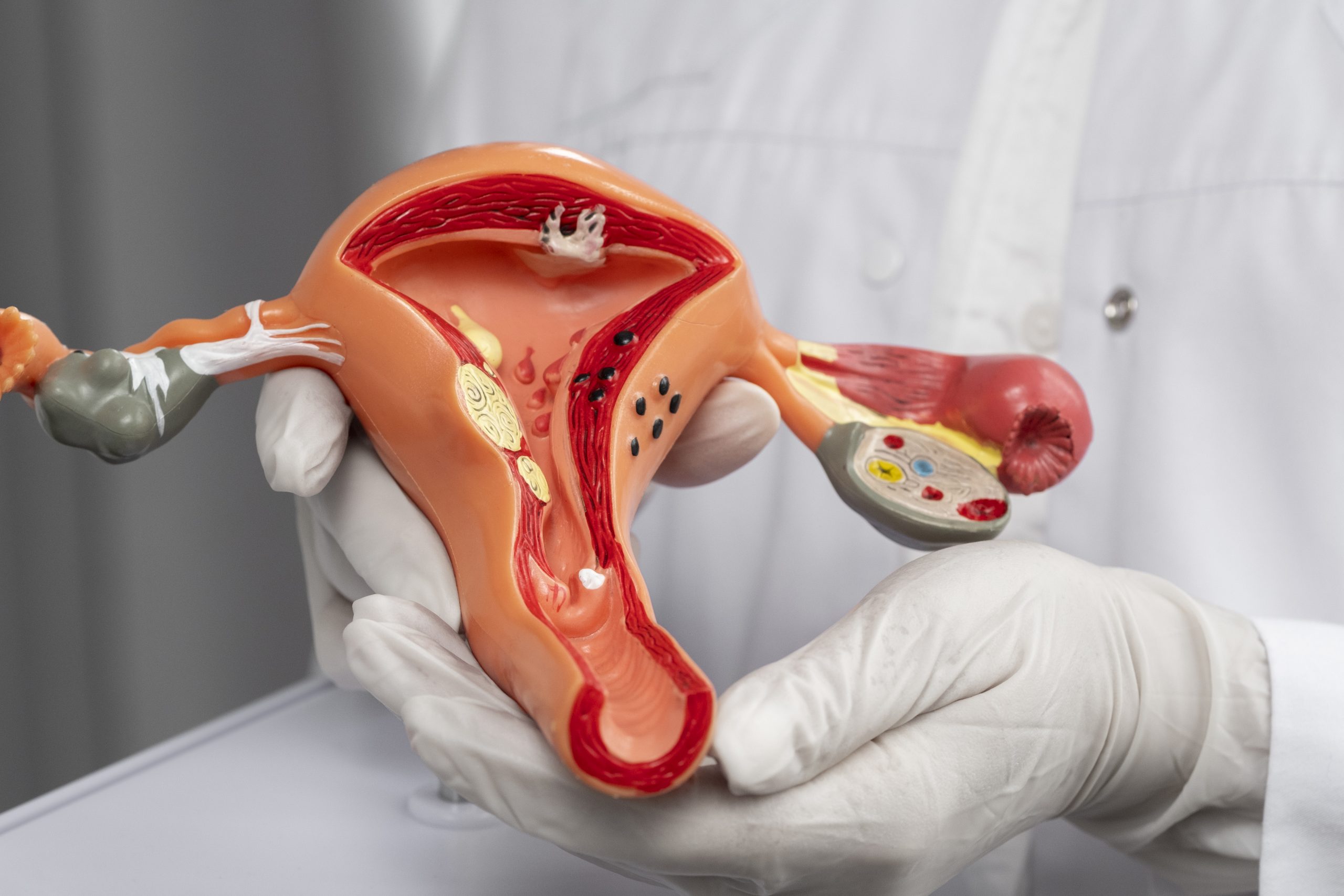
An ovarian cyst is a common condition that many women experience during their reproductive years. Although the word “cyst” might sound alarming, most ovarian cysts are harmless and often go unnoticed. However, in some cases, they can cause discomfort or complications, which require medical attention.
In this blog, we’ll explain what ovarian cysts are, their symptoms, and the available treatment options, tailored for Indian women’s health and recovery standards.
What Is an Ovarian Cyst?
An ovarian cyst is a fluid-filled sac that forms in or on the ovary. Women have two ovaries located on either side of the uterus, which release eggs during the menstrual cycle. Ovarian cysts are particularly common during the childbearing years but can occur at any age.
Cysts can vary in size and type, and they are generally classified as:
Functional Cysts: These are the most common and form during the normal menstrual cycle. They are usually harmless and disappear on their own.
- Follicular Cysts: Develop when the follicle (a sac that contains an egg) doesn’t release the egg.
- Corpus Luteum Cysts: Form when the sac seals off after releasing the egg and fills with fluid.
Pathological Cysts: These are less common and may be caused by abnormal cell growth.
- Dermoid Cysts: Contain tissue like hair, skin, or teeth.
- Cystadenomas: Filled with watery or mucous material.
- Endometriomas: Associated with endometriosis, where tissue similar to the uterus lining grows on the ovary.
What Are the Symptoms of an Ovarian Cyst?
Most ovarian cysts are asymptomatic, meaning they don’t cause noticeable symptoms and are often discovered during routine check-ups. However, if a cyst becomes large, ruptures, or twists (a condition called ovarian torsion), symptoms may include:
Common Symptoms:
Pelvic Pain:
- A dull ache or sharp pain on one side of the lower abdomen.
- Pain may worsen during periods or sexual intercourse.
Bloating or Swelling:
- Feeling full or heavy in the lower abdomen.
Irregular Periods:
- Heavier, lighter, or missed periods.
Difficulty Emptying the Bladder or Bowel:
- A sense of pressure or difficulty passing urine or stool.
Nausea and Vomiting:
- Especially if the cyst causes ovarian torsion.
Emergency Symptoms:
Seek immediate medical attention if you experience:
- Sudden, severe pelvic pain.
- Fever or vomiting.
- Rapid breathing or dizziness, which may indicate internal bleeding or a ruptured cyst.
How Is an Ovarian Cyst Diagnosed?
If you suspect you have an ovarian cyst, your gynecologist may recommend the following steps to diagnose it:
Pelvic Exam:
- A routine examination can detect unusual swelling near the ovaries.
Ultrasound:
- A transabdominal or transvaginal ultrasound helps confirm the cyst’s size, type, and location.
Blood Tests:
- A test for CA-125 levels may be done if there’s a suspicion of ovarian cancer (although this is rare).
Additional Tests:
- CT scan or MRI may be used in complex cases to get a detailed view.
Treatment Options for Ovarian Cysts
The treatment for ovarian cysts depends on their size, type, and symptoms. Many cysts resolve on their own, but others may require medical intervention.
1. Watchful Waiting:
- For small, functional cysts that are asymptomatic, your doctor may suggest waiting and monitoring the cyst over a few months.
2. Medications:
- Hormonal Birth Control Pills: These can help regulate menstrual cycles and prevent the formation of new cysts. However, they do not shrink existing cysts.
- Pain Relievers: Over-the-counter painkillers like ibuprofen may help relieve mild discomfort.
3. Surgical Options:
Laparoscopy (Keyhole Surgery):
- Used for small cysts. It involves a tiny incision through which the cyst is removed.
- This is a minimally invasive procedure with quicker recovery.
Laparotomy (Open Surgery):
- Recommended for larger or complex cysts.
- A larger incision is made to remove the cyst or ovary if necessary.
4. Treatment for Underlying Conditions:
- If the cyst is caused by conditions like endometriosis or PCOS (Polycystic Ovary Syndrome), the underlying issue will need to be treated alongside the cyst.
How to Prevent Ovarian Cysts?
While not all ovarian cysts can be prevented, these tips can reduce your risk:
- Regular Check-ups: Routine gynecological exams help detect cysts early.
- Maintain a Healthy Weight: Obesity can contribute to hormonal imbalances that increase the risk of cysts.
- Balanced Diet: A diet rich in whole grains, fruits, and vegetables supports hormonal health.
- Stay Active: Regular exercise helps maintain overall health and hormonal balance.
When Should You See a Doctor?
- Persistent pelvic pain or bloating.
- Irregular or painful periods.
- Any symptoms that interfere with daily life.
Consult Dr. Puja Dewan or your gynecologist to get a proper diagnosis and personalized care plan.
Conclusion
Ovarian cysts are a common but manageable condition. Understanding the symptoms and seeking timely medical care can prevent complications and ensure your overall well-being. Whether you’re experiencing mild symptoms or severe discomfort, Dr. Puja Dewan’s expertise ensures the best care for your health.
Disclaimer: This blog is for informational purposes only. Always consult your gynecologist for specific medical advice.

Important Links
Pregnancy Care
Gynecology Treatments
laproscopic surgeries
Dewan's Ortho Gyne Clinic
Made with ♥ by Grey Matter Ink