Why You Should Never Ignore Heavy Menstrual Bleeding

Monday to Friday – 5pm to 8pm | Saturday – 10am to 1pm | Sunday – Closed A-289, Sector-43, Noida | +91 98106 40531 Dr Puja Jain Dewan sr gynecologist | obstetrician | Laparoscopic Gyne Surgeon MBBS | MD | DGO | FMAS | FICOG Menu Home About us Book an Appointment Pregnancy Care Normal Pregnancy Care High Risk Pregnancy Care Delivery Packages Gynaecological Treatments Tubal Blockage Pelvic Anomalies PCOD/PCOS Ovarian Cysts Menopause Endometriosis Dysmenorrhea Abnormal Uterine Bleeding Gynaecological Procedures Tubal Ligation Pap Smear Hysterectomy – Uterus Removal Surgery (TLH) Fibroids Removal Dilation and Curettage (D&C) Cervical Cancer Screening & HPV Vaccine Blog Contact us Reason Why You Should Never Ignore Heavy Menstrual Bleeding Heavy menstrual bleeding, medically termed menorrhagia, is a prevalent condition affecting numerous individuals during their reproductive years. While occasional heavy periods may not be alarming, consistently excessive menstrual bleeding warrants attention. Understanding the causes and potential health implications is crucial for timely intervention and overall well-being. What Constitutes Heavy Menstrual Bleeding? Menorrhagia is characterized by menstrual bleeding that lasts more than seven days or involves the loss of more than 80 milliliters of blood per cycle. Indicators include soaking through sanitary products hourly for several consecutive hours, needing to use double sanitary protection, waking up at night to change protection, passing large blood clots, and experiencing symptoms of anemia such as fatigue or shortness of breath. Common Causes of Heavy Menstrual Bleeding Several factors can contribute to menorrhagia, including: Hormonal Imbalances A delicate balance between estrogen and progesterone regulates the menstrual cycle. Disruptions can lead to excessive buildup of the uterine lining, resulting in heavy bleeding. Conditions such as polycystic ovary syndrome (PCOS), obesity, insulin resistance, and thyroid problems can cause hormonal imbalances. Uterine Fibroids and Polyps Noncancerous growths like fibroids and polyps can develop in the uterus, leading to heavier or prolonged menstrual bleeding. Fibroids are composed of muscle and fibrous tissue, while polyps arise from the endometrial tissue lining the uterus. Adenomyosis This condition occurs when endometrial tissue grows into the muscular wall of the uterus, causing heavy bleeding and painful periods. Bleeding Disorders Inherited conditions like von Willebrand disease can impair blood clotting, leading to prolonged or heavy menstrual bleeding. Medications Certain medications, including anticoagulants and anti-inflammatory drugs, may contribute to heavier menstrual flows. Intrauterine Devices (IUDs) Non-hormonal IUDs, used for contraception, can cause increased menstrual bleeding as a side effect. Pregnancy Complications Miscarriages or ectopic pregnancies can result in abnormal bleeding patterns. Cancer In rare cases, uterine or cervical cancer can manifest as heavy menstrual bleeding. Why You Should Not Ignore Heavy Menstrual Bleeding Persistent heavy menstrual bleeding can lead to several complications: Anemia Excessive blood loss can result in iron deficiency anemia, characterized by fatigue, weakness, and shortness of breath. Severe anemia can have significant health implications if left untreated. Severe Pain Heavy periods are often accompanied by debilitating cramps that can interfere with daily activities. Underlying Health Conditions Menorrhagia may signal serious health issues, such as hormonal disorders, uterine abnormalities, or malignancies. Early detection is vital for effective management. Impact on Quality of Life The physical and emotional toll of heavy bleeding can affect personal relationships, work productivity, and mental health. When to Seek Medical Attention Consult a healthcare provider if you experience: Menstrual bleeding lasting more than seven days. Soaking through one or more sanitary pads or tampons every hour for several consecutive hours. Passing large blood clots. Symptoms of anemia, such as fatigue or shortness of breath. Severe menstrual cramps unrelieved by over-the-counter pain medications. Diagnosis and Treatment A thorough evaluation may include: Medical History and Physical Examination: Discussing symptoms and menstrual patterns. Blood Tests: Assessing for anemia and thyroid function. Pap Test: Screening for cervical abnormalities. Ultrasound: Visualizing the uterus and ovaries. Endometrial Biopsy: Sampling uterine tissue to check for abnormalities. Treatment options depend on the underlying cause and may include: Medications: Hormonal therapies, nonsteroidal anti-inflammatory drugs (NSAIDs), or tranexamic acid to reduce bleeding. Surgical Interventions: Procedures like endometrial ablation, uterine artery embolization, or hysterectomy in severe cases. Conclusion Heavy menstrual bleeding is not merely a discomfort but a potential indicator of underlying health issues. Recognizing the causes and seeking prompt medical evaluation can prevent complications and improve the quality of life. If you experience symptoms of menorrhagia, consult a healthcare provider to explore appropriate diagnostic and treatment options. Leave a Reply Cancel reply Logged in as gmiadmin. Edit your profile. Log out? Required fields are marked * Message* A-289, LGF,Sector-43, Noida,Uttar Pradesh, IndiaPin – 201301 Important Links Home About Us Book Online Appointment Book Clinic Appointment Contact Us Pregnancy Care ante natal care high risk pregnancies Gynecology Treatments dilation and curettage PAP smear hpv vaciinations pcod – pcos control menopause laproscopic surgeries Hysteroscopy Total Laparoscopic Hysterectomy fibroids removal cysts removal Dewan’s Ortho Gyne Clinic Made with ♥ by Grey Matter Ink
what is ovarian cyst and what are its symptoms and treatment
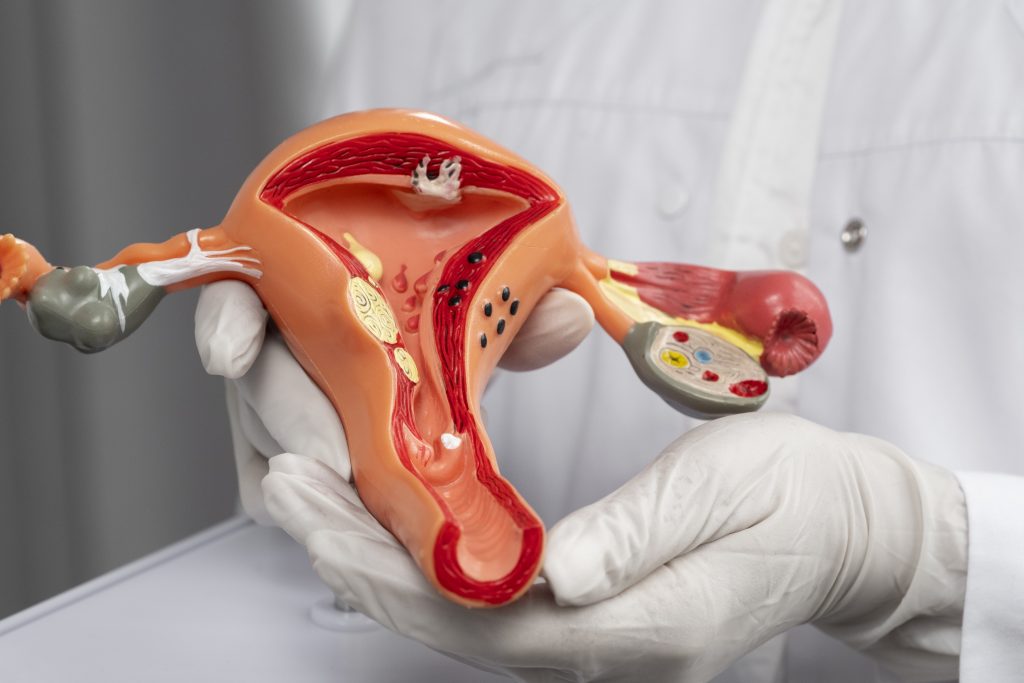
Monday to Friday – 5pm to 8pm | Saturday – 10am to 1pm | Sunday – Closed A-289, Sector-43, Noida | +91 98106 40531 Dr Puja Jain Dewan sr gynecologist | obstetrician | Laparoscopic Gyne Surgeon MBBS | MD | DGO | FMAS | FICOG Menu Home About us Book an Appointment Pregnancy Care Normal Pregnancy Care High Risk Pregnancy Care Delivery Packages Gynaecological Treatments Tubal Blockage Pelvic Anomalies PCOD/PCOS Ovarian Cysts Menopause Endometriosis Dysmenorrhea Abnormal Uterine Bleeding Gynaecological Procedures Tubal Ligation Pap Smear Hysterectomy – Uterus Removal Surgery (TLH) Fibroids Removal Dilation and Curettage (D&C) Cervical Cancer Screening & HPV Vaccine Blog Contact us what is ovarian cyst and what are its symptoms and treatment An ovarian cyst is a common condition that many women experience during their reproductive years. Although the word “cyst” might sound alarming, most ovarian cysts are harmless and often go unnoticed. However, in some cases, they can cause discomfort or complications, which require medical attention. In this blog, we’ll explain what ovarian cysts are, their symptoms, and the available treatment options, tailored for Indian women’s health and recovery standards. What Is an Ovarian Cyst? An ovarian cyst is a fluid-filled sac that forms in or on the ovary. Women have two ovaries located on either side of the uterus, which release eggs during the menstrual cycle. Ovarian cysts are particularly common during the childbearing years but can occur at any age. Cysts can vary in size and type, and they are generally classified as: Functional Cysts: These are the most common and form during the normal menstrual cycle. They are usually harmless and disappear on their own. Follicular Cysts: Develop when the follicle (a sac that contains an egg) doesn’t release the egg. Corpus Luteum Cysts: Form when the sac seals off after releasing the egg and fills with fluid. Pathological Cysts: These are less common and may be caused by abnormal cell growth. Dermoid Cysts: Contain tissue like hair, skin, or teeth. Cystadenomas: Filled with watery or mucous material. Endometriomas: Associated with endometriosis, where tissue similar to the uterus lining grows on the ovary. What Are the Symptoms of an Ovarian Cyst? Most ovarian cysts are asymptomatic, meaning they don’t cause noticeable symptoms and are often discovered during routine check-ups. However, if a cyst becomes large, ruptures, or twists (a condition called ovarian torsion), symptoms may include: Common Symptoms: Pelvic Pain: A dull ache or sharp pain on one side of the lower abdomen. Pain may worsen during periods or sexual intercourse. Bloating or Swelling: Feeling full or heavy in the lower abdomen. Irregular Periods: Heavier, lighter, or missed periods. Difficulty Emptying the Bladder or Bowel: A sense of pressure or difficulty passing urine or stool. Nausea and Vomiting: Especially if the cyst causes ovarian torsion. Emergency Symptoms: Seek immediate medical attention if you experience: Sudden, severe pelvic pain. Fever or vomiting. Rapid breathing or dizziness, which may indicate internal bleeding or a ruptured cyst. How Is an Ovarian Cyst Diagnosed? If you suspect you have an ovarian cyst, your gynecologist may recommend the following steps to diagnose it: Pelvic Exam: A routine examination can detect unusual swelling near the ovaries. Ultrasound: A transabdominal or transvaginal ultrasound helps confirm the cyst’s size, type, and location. Blood Tests: A test for CA-125 levels may be done if there’s a suspicion of ovarian cancer (although this is rare). Additional Tests: CT scan or MRI may be used in complex cases to get a detailed view. Treatment Options for Ovarian Cysts The treatment for ovarian cysts depends on their size, type, and symptoms. Many cysts resolve on their own, but others may require medical intervention. 1. Watchful Waiting: For small, functional cysts that are asymptomatic, your doctor may suggest waiting and monitoring the cyst over a few months. 2. Medications: Hormonal Birth Control Pills: These can help regulate menstrual cycles and prevent the formation of new cysts. However, they do not shrink existing cysts. Pain Relievers: Over-the-counter painkillers like ibuprofen may help relieve mild discomfort. 3. Surgical Options: Laparoscopy (Keyhole Surgery): Used for small cysts. It involves a tiny incision through which the cyst is removed. This is a minimally invasive procedure with quicker recovery. Laparotomy (Open Surgery): Recommended for larger or complex cysts. A larger incision is made to remove the cyst or ovary if necessary. 4. Treatment for Underlying Conditions: If the cyst is caused by conditions like endometriosis or PCOS (Polycystic Ovary Syndrome), the underlying issue will need to be treated alongside the cyst. How to Prevent Ovarian Cysts? While not all ovarian cysts can be prevented, these tips can reduce your risk: Regular Check-ups: Routine gynecological exams help detect cysts early. Maintain a Healthy Weight: Obesity can contribute to hormonal imbalances that increase the risk of cysts. Balanced Diet: A diet rich in whole grains, fruits, and vegetables supports hormonal health. Stay Active: Regular exercise helps maintain overall health and hormonal balance. When Should You See a Doctor? Persistent pelvic pain or bloating. Irregular or painful periods. Any symptoms that interfere with daily life. Consult Dr. Puja Dewan or your gynecologist to get a proper diagnosis and personalized care plan. Conclusion Ovarian cysts are a common but manageable condition. Understanding the symptoms and seeking timely medical care can prevent complications and ensure your overall well-being. Whether you’re experiencing mild symptoms or severe discomfort, Dr. Puja Dewan’s expertise ensures the best care for your health. Disclaimer: This blog is for informational purposes only. Always consult your gynecologist for specific medical advice. Leave a Reply Cancel reply Logged in as gmiadmin. Edit your profile. Log out? Required fields are marked * Message* A-289, LGF,Sector-43, Noida,Uttar Pradesh, IndiaPin – 201301 Important Links Home About Us Book Online Appointment Book Clinic Appointment Contact Us Pregnancy Care ante natal care high risk pregnancies Gynecology Treatments dilation and curettage PAP smear hpv vaciinations pcod – pcos control menopause laproscopic surgeries Hysteroscopy Total Laparoscopic Hysterectomy fibroids removal cysts removal Dewan’s Ortho Gyne Clinic Made with ♥ by Grey
Signs of a Uterine Fibroid, Its Diagnosis, and Treatment
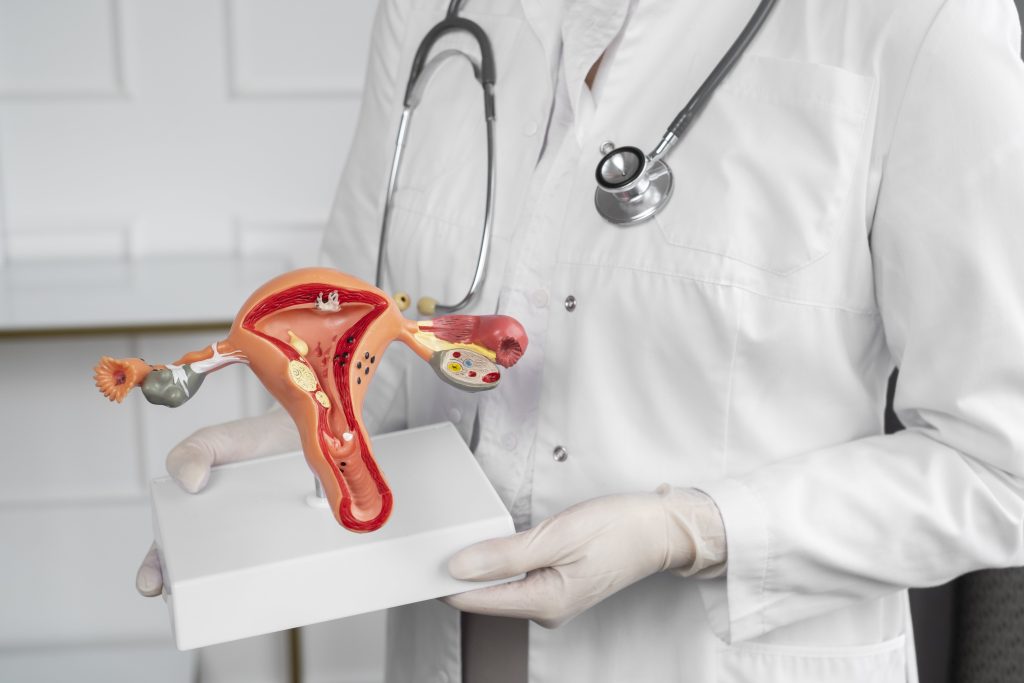
Monday to Friday – 5pm to 8pm | Saturday – 10am to 1pm | Sunday – Closed A-289, Sector-43, Noida | +91 98106 40531 Dr Puja Jain Dewan sr gynecologist | obstetrician | Laparoscopic Gyne Surgeon MBBS | MD | DGO | FMAS | FICOG Menu Home About us Book an Appointment Pregnancy Care Normal Pregnancy Care High Risk Pregnancy Care Delivery Packages Gynaecological Treatments Tubal Blockage Pelvic Anomalies PCOD/PCOS Ovarian Cysts Menopause Endometriosis Dysmenorrhea Abnormal Uterine Bleeding Gynaecological Procedures Tubal Ligation Pap Smear Hysterectomy – Uterus Removal Surgery (TLH) Fibroids Removal Dilation and Curettage (D&C) Cervical Cancer Screening & HPV Vaccine Blog Contact us Signs of a Uterine Fibroid, Its Diagnosis, and Treatment Uterine fibroids are one of the most common gynecological conditions affecting women, especially during their reproductive years. Despite being non-cancerous growths in the uterus, fibroids can cause significant discomfort and complications if left untreated. In this blog, we will discuss the signs of uterine fibroids, how they are diagnosed, and the treatment options available, tailored for Indian women and their recovery needs. What Are Uterine Fibroids? Uterine fibroids, also called leiomyomas or myomas, are growths made of muscle and fibrous tissue that develop in or around the uterus. These growths vary in size—ranging from as small as a seed to as large as a melon—and can be single or multiple. Signs and Symptoms of Uterine Fibroids While some women may not experience any symptoms, others can face a variety of issues depending on the size, location, and number of fibroids. Heavy Menstrual Bleeding (Menorrhagia): Unusually heavy periods lasting more than 7 days. Passing large blood clots during menstruation. Pelvic Pain or Pressure: Persistent discomfort in the lower abdomen. Feeling of fullness or heaviness in the pelvic area. Frequent Urination: Larger fibroids may press on the bladder, causing the need to urinate more frequently. Pain During Intercourse: Discomfort or pain during sexual activity, especially with fibroids located near the cervix. Backache or Leg Pain: Fibroids pressing on surrounding nerves can cause pain radiating to the back or legs. Reproductive Issues: Difficulty conceiving or recurrent miscarriages. Complications during pregnancy, such as preterm labor. Other Symptoms: Constipation due to pressure on the rectum. Abdominal bloating or an enlarged abdomen. Diagnosis of Uterine Fibroids Timely diagnosis is key to managing fibroids effectively. A gynecologist like Dr. Puja Dewan will perform several steps to confirm the condition: Medical History and Physical Examination: Your doctor will ask about your symptoms and medical history. A pelvic exam can help detect abnormalities in the size or shape of the uterus. Ultrasound: This is the most common diagnostic tool. A transabdominal or transvaginal ultrasound provides a clear picture of the fibroids. MRI (Magnetic Resonance Imaging): MRI scans are sometimes used to get a more detailed view, especially if surgery is being planned. Hysteroscopy: A thin, lighted tube is inserted into the uterus to examine the inner lining. Other Tests: Blood tests may be done to check for anemia caused by heavy bleeding. In some cases, advanced imaging like sonohysterography (using saline in the uterus) may be recommended. Treatment Options for Uterine Fibroids Treatment depends on the severity of symptoms, size, location of the fibroids, and the patient’s age or desire to conceive. 1. Medications: Pain Relievers: Over-the-counter painkillers like ibuprofen can help manage mild symptoms. Hormonal Therapy: Birth control pills or hormonal IUDs can regulate heavy periods. Gonadotropin-releasing hormone (GnRH) agonists shrink fibroids temporarily but are used short-term due to side effects. 2. Non-Surgical Procedures: Uterine Artery Embolization (UAE): This minimally invasive procedure blocks the blood supply to the fibroid, causing it to shrink. Recovery is quicker compared to surgery, but it is not suitable for women planning future pregnancies. MRI-Guided Focused Ultrasound Surgery (FUS): A non-invasive technique that uses high-frequency ultrasound waves to destroy fibroid tissue. 3. Surgical Options: Myomectomy: Removes fibroids while preserving the uterus, making it a preferred choice for women who want to have children. Can be performed via open surgery, laparoscopy, or hysteroscopy depending on the fibroids’ location. Hysterectomy: The complete removal of the uterus is the only permanent solution for fibroids. Recommended for women with severe symptoms who do not plan to conceive. 4. Lifestyle and Alternative Therapies: Maintain a balanced diet rich in fruits, vegetables, and whole grains to reduce inflammation. Stay active with light exercises like walking or yoga to manage symptoms. Some Indian women find relief through Ayurvedic treatments, but these should always complement medical advice. When to Consult a Gynecologist? It’s essential to seek medical attention if: You have heavy bleeding or prolonged periods. Pelvic pain or pressure interferes with daily life. You’re planning a pregnancy but face difficulties in conceiving. Conclusion Uterine fibroids are manageable with the right diagnosis and treatment. Early intervention can prevent complications and improve quality of life. If you notice any symptoms, don’t hesitate to consult Dr. Puja Dewan for expert care tailored to your individual needs. Disclaimer: This blog provides general information. Always consult your gynecologist for personalized advice. Leave a Reply Cancel reply Logged in as gmiadmin. Edit your profile. Log out? Required fields are marked * Message* A-289, LGF,Sector-43, Noida,Uttar Pradesh, IndiaPin – 201301 Important Links Home About Us Book Online Appointment Book Clinic Appointment Contact Us Pregnancy Care ante natal care high risk pregnancies Gynecology Treatments dilation and curettage PAP smear hpv vaciinations pcod – pcos control menopause laproscopic surgeries Hysteroscopy Total Laparoscopic Hysterectomy fibroids removal cysts removal Dewan’s Ortho Gyne Clinic Made with ♥ by Grey Matter Ink