HPV Vaccine in India : Everything You Need to Know
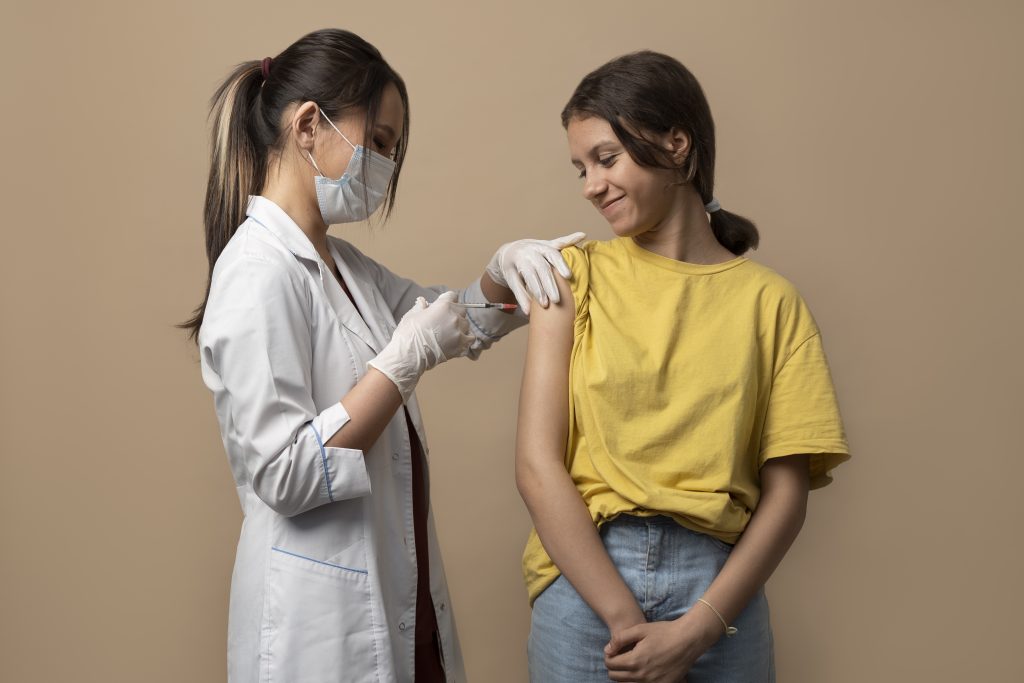
Monday to Friday – 5pm to 8pm | Saturday – 10am to 1pm | Sunday – Closed A-289, Sector-43, Noida | +91 98106 40531 Dr Puja Jain Dewan sr gynecologist | obstetrician | Laparoscopic Gyne Surgeon MBBS | MD | DGO | FMAS | FICOG Menu Home About us Book an Appointment Pregnancy Care Normal Pregnancy Care High Risk Pregnancy Care Delivery Packages Gynaecological Treatments Tubal Blockage Pelvic Anomalies PCOD/PCOS Ovarian Cysts Menopause Endometriosis Dysmenorrhea Abnormal Uterine Bleeding Gynaecological Procedures Tubal Ligation Pap Smear Hysterectomy – Uterus Removal Surgery (TLH) Fibroids Removal Dilation and Curettage (D&C) Cervical Cancer Screening & HPV Vaccine Blog Contact us HPV Vaccine in India : Everything You Need to Know Human Papillomavirus (HPV) is a prevalent sexually transmitted infection, with certain strains leading to cervical cancer—a significant health concern in India. The introduction and promotion of HPV vaccination have become pivotal in combating this disease. This article provides a comprehensive overview of the HPV vaccine in India, covering its importance, availability, cost, eligibility, and recent developments. Understanding HPV and Its Link to Cervical Cancer HPV encompasses a group of over 200 related viruses, some of which are high-risk types associated with various cancers, notably cervical cancer. In India, approximately 87.8% to 96.7% of cervical cancer patients have an HPV infection, underscoring the virus’s significant role in the disease’s prevalence. Importance of the HPV Vaccine The HPV vaccine is designed to protect against the high-risk strains of the virus that are most commonly linked to cervical cancer. By immunizing individuals before they are exposed to the virus, the vaccine significantly reduces the risk of developing HPV-related cancers later in life. Given the high burden of cervical cancer in India, widespread vaccination can play a crucial role in reducing incidence and mortality rates. HPV Vaccines Available in India Several HPV vaccines have been approved and are available in India: Gardasil (Quadrivalent Vaccine): Licensed for use since 2008, Gardasil targets four HPV strains—6, 11, 16, and 18. HPV-16 and HPV-18 account for about 80-85% of all cervical cancers in India, while HPV-6 and HPV-11 cause approximately 90% of genital warts. Cervarix (Bivalent Vaccine): This vaccine protects against HPV types 16 and 18, responsible for around 70% of cervical cancers. It’s typically recommended for females aged 9-14 years in a two-dose schedule. Cervavac (Indigenous Vaccine): Developed by the Serum Institute of India, Cervavac is the first Indian-made HPV vaccine. Approved for girls and boys aged between 9 and 26, it is priced relatively lower than its international counterparts, with a two-dose vial available for Rs 4,000, making it Rs 2,000 per dose. Eligibility and Vaccination Schedule The HPV vaccine is recommended for: Adolescent Girls and Boys: The ideal age for vaccination is between 9 to 14 years, before the onset of sexual activity, to ensure maximum efficacy. Young Adults: Individuals up to the age of 26 can also receive the vaccine, though the benefit decreases with age and potential prior exposure to HPV. The vaccination schedule typically involves: Two-Dose Schedule: For individuals aged 9-14 years, two doses are administered six months apart. Three-Dose Schedule: For those aged 15-26 years, three doses are given over six months (at 0, 1-2, and 6 months). Cost of HPV Vaccination in India The cost of HPV vaccines varies: Gardasil: Priced between Rs 2,000 to Rs 4,000 per dose. Cervavac: At Rs 2,000 per dose, it offers a more affordable option compared to international vaccines. While the cost may seem substantial, it is a valuable investment considering the potential expenses and health implications associated with cervical cancer treatment. Government Initiatives and Recent Developments Recognizing the critical role of HPV vaccination in preventing cervical cancer, the Indian government has taken significant steps: Budget 2024 Announcement: The Finance Minister announced plans to encourage vaccination for girls aged 9 to 14 years for the prevention of cervical cancer, highlighting the government’s commitment to women’s health. Inclusion in Universal Immunization Programme (UIP): The National Technical Advisory Group on Immunization (NTAGI) recommended introducing the HPV vaccine into the UIP, proposing a one-time catch-up program for adolescent girls aged 9-14 years, followed by routine introduction at nine years of age. State-Level Initiatives: States like Delhi and Punjab have initiated HPV vaccination programs targeting adolescent girls, achieving commendable coverage rates. Addressing Challenges and the Way Forward Despite the availability of vaccines and government initiatives, several challenges hinder widespread HPV vaccination in India: Awareness: There is a lack of awareness about HPV and its link to cervical cancer, leading to low vaccine uptake. Cultural Barriers: Societal taboos surrounding discussions of sexually transmitted infections can impede open conversations about vaccination. Accessibility: Ensuring vaccine availability in rural and remote areas remains a logistical challenge. To overcome these challenges, a multi-faceted approach is essential: Educational Campaigns: Raising awareness through schools, community programs, and media to educate the public about HPV and the benefits of vaccination. Healthcare Provider Training: Equipping healthcare professionals with the knowledge and tools to recommend and administer the vaccine effectively. Policy Implementation: Integrating the HPV vaccine into national immunization schedules and ensuring consistent supply chains. Conclusion The HPV vaccine represents a significant advancement in the prevention of cervical cancer, a leading cause of cancer-related deaths among women in India. Leave a Reply Cancel reply Logged in as gmiadmin. Edit your profile. Log out? Required fields are marked * Message* A-289, LGF,Sector-43, Noida,Uttar Pradesh, IndiaPin – 201301 Important Links Home About Us Book Online Appointment Book Clinic Appointment Contact Us Pregnancy Care ante natal care high risk pregnancies Gynecology Treatments dilation and curettage PAP smear hpv vaciinations pcod – pcos control menopause laproscopic surgeries Hysteroscopy Total Laparoscopic Hysterectomy fibroids removal cysts removal Dewan’s Ortho Gyne Clinic Made with ♥ by Grey Matter Ink
Lifestyle Changes That Can Help You Manage PCOD
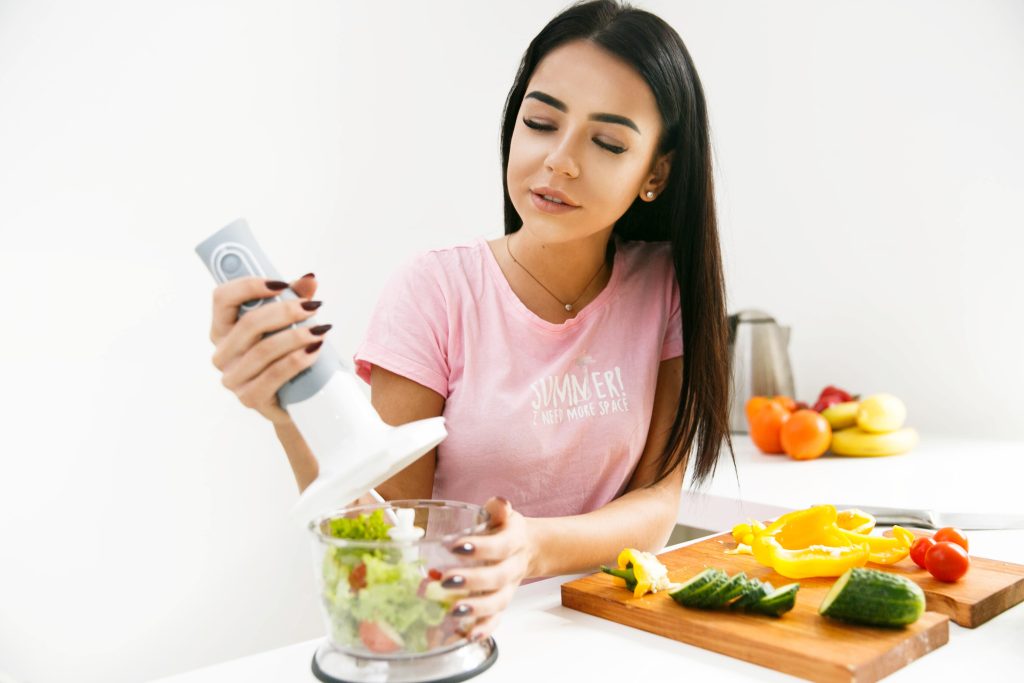
Monday to Friday – 5pm to 8pm | Saturday – 10am to 1pm | Sunday – Closed A-289, Sector-43, Noida | +91 98106 40531 Dr Puja Jain Dewan sr gynecologist | obstetrician | Laparoscopic Gyne Surgeon MBBS | MD | DGO | FMAS | FICOG Menu Home About us Book an Appointment Pregnancy Care Normal Pregnancy Care High Risk Pregnancy Care Delivery Packages Gynaecological Treatments Tubal Blockage Pelvic Anomalies PCOD/PCOS Ovarian Cysts Menopause Endometriosis Dysmenorrhea Abnormal Uterine Bleeding Gynaecological Procedures Tubal Ligation Pap Smear Hysterectomy – Uterus Removal Surgery (TLH) Fibroids Removal Dilation and Curettage (D&C) Cervical Cancer Screening & HPV Vaccine Blog Contact us Lifestyle Changes That Can Help You Manage PCOD Polycystic Ovarian Disease (PCOD) is a common hormonal disorder affecting many women, particularly during their reproductive years. In India, lifestyle factors such as a sedentary routine, unhealthy eating habits, and stress often contribute to worsening PCOD symptoms. While medical treatments can help, making positive lifestyle changes is one of the most effective ways to manage PCOD in the long term. In this blog, we’ll explore simple, practical lifestyle changes that can help women with PCOD regain control over their health. What Is PCOD? PCOD occurs when the ovaries produce an excess amount of androgens (male hormones), leading to irregular periods, weight gain, acne, and multiple small cysts on the ovaries. Women with PCOD often experience: Irregular or absent menstrual cycles. Excess hair growth on the face or body (hirsutism). Difficulty in losing weight. Acne and oily skin. Difficulty conceiving. Managing PCOD is essential not only to control symptoms but also to reduce the risk of long-term complications such as diabetes, heart disease, and infertility. Lifestyle Changes to Manage PCOD 1. Maintain a Healthy Diet Your diet plays a critical role in managing PCOD. Focus on nutrient-rich foods that stabilize hormones, regulate insulin levels, and promote overall health. Include More Whole Foods: Opt for whole grains like oats, brown rice, and quinoa. Add fresh fruits (like guava and apples) and vegetables (like spinach and broccoli) to your meals. Control Sugar Intake: Avoid sugary snacks, desserts, and aerated drinks as they spike insulin levels, worsening PCOD symptoms. Replace sugar with natural sweeteners like jaggery or honey in moderation. Healthy Fats are Key: Include sources of healthy fats like nuts, seeds (flaxseeds, sunflower seeds), and fatty fish (salmon or mackerel). Use olive oil or mustard oil for cooking. Limit Processed Foods: Cut down on junk foods like chips, instant noodles, and packaged snacks. Stay Hydrated: Drink plenty of water to help with digestion and metabolism. 2. Regular Exercise Physical activity is crucial for managing PCOD. It helps in maintaining a healthy weight, improving insulin sensitivity, and reducing stress. Cardio Workouts: Activities like walking, jogging, cycling, or swimming can help burn calories and improve heart health. Strength Training: Lifting weights or resistance exercises can help build muscle and improve metabolism. Yoga: Yoga is particularly beneficial for women with PCOD. Asanas like Surya Namaskar, Bhujangasana, and Dhanurasana improve hormonal balance. Pranayama (breathing exercises) helps reduce stress levels. Aim for at least 30 minutes of exercise 4-5 times a week for noticeable results. 3. Manage Stress Stress is a significant factor in PCOD as it disrupts hormonal balance and worsens symptoms. Meditation: Spend 10-15 minutes daily meditating to calm your mind. Take Breaks: Avoid overworking and make time for hobbies and relaxation. Adequate Sleep: Ensure 7-8 hours of quality sleep every night to regulate hormones. Limit Screen Time: Reduce time spent on phones and laptops, especially before bedtime, to improve sleep quality. 4. Weight Management Maintaining a healthy weight is critical in PCOD management. Even a 5-10% reduction in weight can improve symptoms significantly. Monitor Your Calorie Intake: Eat smaller, balanced meals throughout the day instead of large portions. Set Realistic Goals: Aim for gradual weight loss with sustainable habits rather than quick fixes. 5. Track Your Menstrual Cycle Keeping track of your periods can help you identify irregularities and discuss them with your doctor. There are various period-tracking apps available that make this easy. 6. Avoid Smoking and Alcohol Smoking increases androgen levels, worsening PCOD symptoms. Alcohol consumption can affect liver function and lead to hormone imbalances. Limiting or avoiding both can help manage PCOD more effectively. 7. Seek Medical Guidance When Needed While lifestyle changes are crucial, they may not replace medical treatment. Consult your gynecologist if you experience: Persistent irregular periods. Severe acne or hair loss. Difficulty in conceiving. Dr. Puja Dewan and her team can guide you with personalized treatment plans, including medications and hormonal therapies, as needed. Indian Foods That Support PCOD Management Ragi: A rich source of calcium and fiber, helps in maintaining weight. Turmeric: Reduces inflammation and balances hormones. Cinnamon: Improves insulin sensitivity; add it to your tea or meals. Legumes: Lentils, chickpeas, and beans are excellent sources of protein and fiber. Long-Term Benefits of Lifestyle Changes Implementing these lifestyle changes can help: Regulate menstrual cycles. Reduce symptoms like acne and hair growth. Improve fertility. Lower the risk of long-term complications like diabetes and heart disease. Final Thoughts PCOD is a manageable condition with the right approach. By adopting a healthier lifestyle that includes a balanced diet, regular exercise, and stress management, you can significantly reduce symptoms and improve your quality of life. If you’re struggling with PCOD or need personalized advice, Dr. Puja Dewan is here to guide you every step of the way. Disclaimer: This blog provides general advice. Always consult your gynecologist for a treatment plan tailored to your needs. Leave a Reply Cancel reply Logged in as gmiadmin. Edit your profile. Log out? Required fields are marked * Message* A-289, LGF,Sector-43, Noida,Uttar Pradesh, IndiaPin – 201301 Important Links Home About Us Book Online Appointment Book Clinic Appointment Contact Us Pregnancy Care ante natal care high risk pregnancies Gynecology Treatments dilation and curettage PAP smear hpv vaciinations pcod – pcos control menopause laproscopic surgeries Hysteroscopy Total Laparoscopic Hysterectomy fibroids removal cysts removal Dewan’s Ortho Gyne Clinic Made with ♥ by Grey Matter
How to Maintain Your Health After Menopause
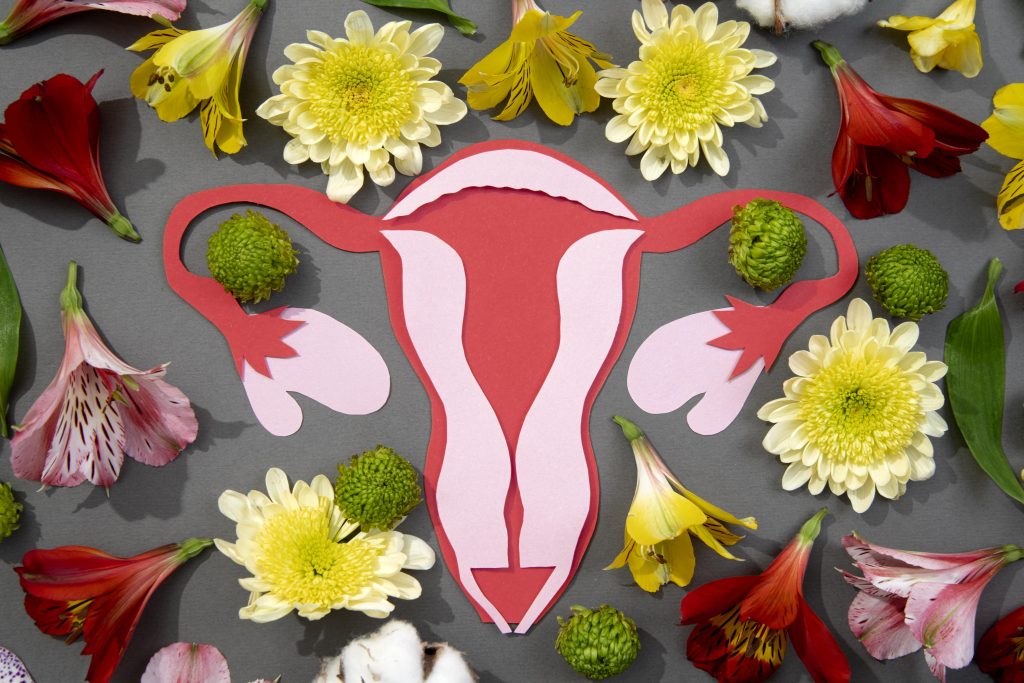
Monday to Friday – 5pm to 8pm | Saturday – 10am to 1pm | Sunday – Closed A-289, Sector-43, Noida | +91 98106 40531 Dr Puja Jain Dewan sr gynecologist | obstetrician | Laparoscopic Gyne Surgeon MBBS | MD | DGO | FMAS | FICOG Menu Home About us Book an Appointment Pregnancy Care Normal Pregnancy Care High Risk Pregnancy Care Delivery Packages Gynaecological Treatments Tubal Blockage Pelvic Anomalies PCOD/PCOS Ovarian Cysts Menopause Endometriosis Dysmenorrhea Abnormal Uterine Bleeding Gynaecological Procedures Tubal Ligation Pap Smear Hysterectomy – Uterus Removal Surgery (TLH) Fibroids Removal Dilation and Curettage (D&C) Cervical Cancer Screening & HPV Vaccine Blog Contact us How to Maintain Your Health After Menopause Menopause is a natural phase in every woman’s life, typically occurring between the ages of 45 and 55. It marks the end of menstrual cycles and brings about various changes in the body due to reduced hormone levels, particularly estrogen. While menopause is a normal part of aging, it’s essential to focus on maintaining good health during this phase to prevent long-term complications. Here’s a simple guide tailored for Indian women to help you stay healthy and active after menopause. Common Health Concerns After Menopause Before diving into the tips, it’s important to understand the potential health challenges women may face after menopause: Bone Health Issues (Osteoporosis): Reduced estrogen can lead to weaker bones, increasing the risk of fractures. Heart Health Problems: Hormonal changes can lead to higher cholesterol levels and increased heart disease risk. Weight Gain: A slower metabolism often leads to weight gain, especially around the abdomen. Mood Swings and Mental Health: Hormonal changes can contribute to mood swings, anxiety, or even depression. Urinary and Vaginal Issues: Thinning tissues can lead to urinary incontinence or vaginal dryness. Tips to Maintain Your Health After Menopause 1. Prioritize Bone Health Bone health becomes critical after menopause due to the loss of bone density. Increase Calcium Intake: Consume calcium-rich foods like milk, curd, paneer, almonds, ragi, and green leafy vegetables. Add Vitamin D: Ensure you get adequate sunlight exposure or take vitamin D supplements if needed. Exercise Regularly: Weight-bearing exercises like walking, jogging, or yoga help strengthen bones. 2. Protect Your Heart Cardiovascular health should be a top priority post-menopause. Follow a Heart-Healthy Diet: Include whole grains, fruits, vegetables, and heart-healthy fats like those in fish, nuts, and seeds. Limit salt, sugar, and saturated fats, as they can contribute to high blood pressure and cholesterol. Stay Active: Aim for at least 30 minutes of moderate exercise daily, such as brisk walking or swimming. Manage Stress: Practice relaxation techniques like meditation or pranayama to reduce stress. 3. Maintain a Healthy Weight Weight gain can increase the risk of diabetes and heart disease. Mindful Eating: Avoid overeating and focus on portion control. Healthy Snacks: Replace fried snacks with healthier options like fruits, roasted chana, or makhana. Stay Hydrated: Drink plenty of water and limit sugary drinks. 4. Strengthen Mental Health Hormonal changes and lifestyle adjustments can affect emotional well-being. Stay Socially Active: Spend time with friends and family to avoid feelings of isolation. Learn New Skills: Hobbies like gardening, reading, or cooking can keep your mind engaged. Seek Help: If you feel overwhelmed, don’t hesitate to consult a mental health professional. 5. Care for Your Skin and Hair Post-menopausal women often notice changes in their skin and hair. Hydrate Your Skin: Use moisturizers and sunscreen to prevent dryness and protect against sun damage. Balanced Diet: Omega-3 fatty acids in flaxseeds, walnuts, and fish promote healthy skin and hair. Gentle Products: Switch to mild shampoos and natural oils like coconut or almond oil for hair care. 6. Address Urinary and Vaginal Changes Reduced estrogen can lead to issues like vaginal dryness or urinary infections. Stay Hydrated: Drink plenty of water to maintain urinary tract health. Consult Your Doctor: For vaginal dryness, your gynecologist may recommend lubricants or estrogen creams. Kegel Exercises: Strengthen pelvic floor muscles to reduce urinary incontinence. 7. Regular Health Check-ups Monitoring your health regularly can prevent complications. Bone Density Test: Helps detect osteoporosis early. Blood Pressure and Cholesterol Checks: Regular monitoring helps keep heart health in check. Cancer Screenings: Pap smears and mammograms are essential for early detection of cervical and breast cancer. 8. Embrace a Positive Mindset Menopause is a new beginning, not an end. Focus on Wellness: Shift your focus to leading a balanced, healthy lifestyle. Celebrate the Freedom: Post-menopause often means freedom from periods and related discomfort, which can be a relief. Indian Foods to Include Post-Menopause A diet rooted in traditional Indian foods can provide immense benefits: Calcium-Rich Foods: Ragi, sesame seeds (til), and leafy greens like spinach. Antioxidants: Fruits like guava, amla, and pomegranate. Protein: Lentils, pulses, and paneer. Healthy Fats: Ghee in moderation and nuts like almonds and walnuts. When to See a Doctor? You should consult Dr. Puja Dewan or your gynecologist if you experience: Severe mood swings or depression. Unusual bleeding or spotting after menopause. Persistent pain or discomfort in the pelvic region. Difficulty in managing symptoms like hot flashes or night sweats. Final Thoughts Post-menopause is an opportunity to focus on yourself and embrace a healthier lifestyle. By making small yet consistent changes to your diet, exercise routine, and overall habits, you can stay healthy and active in this new phase of life. Dr. Puja Dewan and her team are here to provide expert guidance and support, ensuring your transition through menopause is smooth and stress-free. Disclaimer: This blog is for general awareness. Always consult your gynecologist for personalized advice. Leave a Reply Cancel reply Logged in as gmiadmin. Edit your profile. Log out? Required fields are marked * Message* A-289, LGF,Sector-43, Noida,Uttar Pradesh, IndiaPin – 201301 Important Links Home About Us Book Online Appointment Book Clinic Appointment Contact Us Pregnancy Care ante natal care high risk pregnancies Gynecology Treatments dilation and curettage PAP smear hpv vaciinations pcod – pcos control menopause laproscopic surgeries Hysteroscopy Total Laparoscopic Hysterectomy fibroids removal cysts removal Dewan’s Ortho Gyne Clinic Made with ♥